Introduction
Home renovation remains one of the most popular ways Malaysian homeowners improve their living spaces, whether by modernising a decades-old terrace house, transforming a bungalow, or adapting a home for a growing family. With 2026 bringing fresh design trends, smarter technology, and a greater focus on comfort and functionality, it’s an ideal time to renovate with both your lifestyle and budget in mind.
This guide covers what home renovation involves, why it matters, what to consider before getting started, and nine practical home renovation ideas for 2026, inspired by how leading interior design professionals in Kuala Lumpur approach real-world renovation projects.
What is Home Renovation?
Home renovation refers to the process of updating, repairing, or improving an existing property. It’s a broad term that can range from a simple repaint to a full structural overhaul. In Malaysia, the terms renovation, remodeling, and refurbishment are often used interchangeably, but they technically refer to slightly different scopes of work:
| Term | What it means | Typical scope |
| Renovation | Repairing or improving a space, sometimes with minor layout changes | Painting, flooring, fixtures, partial updates |
| Remodeling | Changing the structure, layout, or function of a space | Combining rooms, converting a store room, and extending a kitchen |
| Refurbishment | Upgrading or restoring finishes and fittings without major structural change | Replacing worn surfaces, fixtures, and fittings |
Most home renovation projects in Malaysia involve a mix of all three, especially for older landed properties that need both structural updates and cosmetic refreshing.
Top 9 Home Renovation Ideas for 2026
Here are nine renovation ideas worth considering this year, along with alternatives for different budgets, property types, and space constraints.
1. Create an Open-Concept Layout
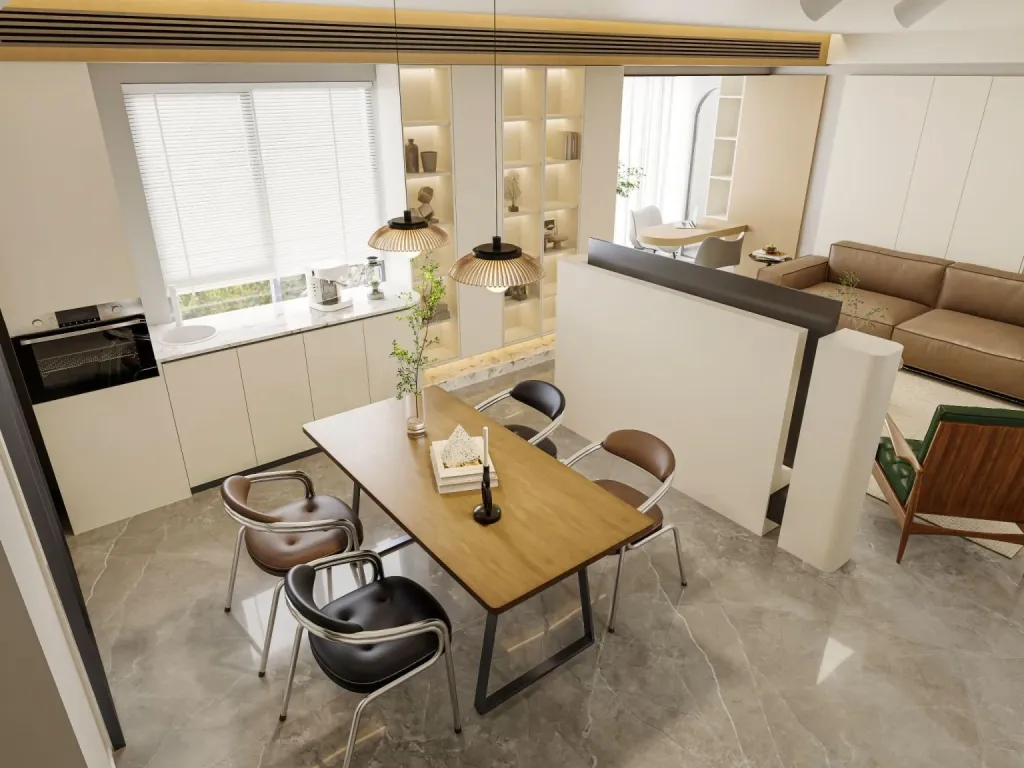
Knocking down non-structural walls between the kitchen, dining, and living areas creates a more sociable, light-filled space. This works particularly well in older Malaysian terrace and semi-detached houses, where rooms were often partitioned for separate functions. Always have a structural engineer or qualified contractor assess load-bearing elements before removing any wall, especially in double-storey homes.
Alternative: If a fully open layout isn’t possible due to structural limits or strata restrictions, consider a “broken-plan” layout using half-walls, sliding doors, or glass partitions. This keeps sightlines open while retaining some separation between spaces.
2. Switch to a Warm, Natural Colour Palette
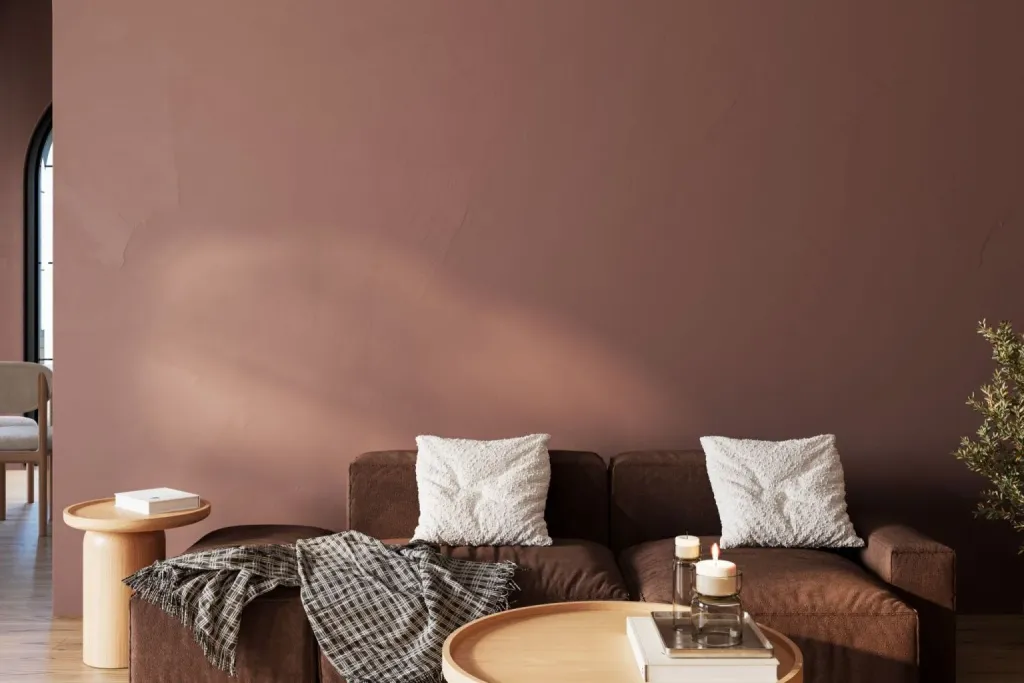
2026 continues the shift away from stark white-and-grey interiors toward warmer, earth-inspired tones such as terracotta, warm beige, olive, and soft clay. These shades complement Malaysia’s natural light and pair easily with timber, rattan, and stone finishes.
Alternative: If a full repaint feels like a big commitment, start with a single accent wall, or repaint just the living and dining areas first to test the palette before committing the rest of the home.
3. Incorporate Smart Home Features

Smart lighting, smart locks, video doorbells, and app-controlled air-conditioning are increasingly common in Malaysian homes, both landed and high-rise. This growing demand is reflected in Malaysia’s smart home market, which is projected to reach USD 4.08 billion by 2032, highlighting the increasing adoption of connected home technology.
Alternative: If a full smart home setup isn’t within your budget, start with one or two high-impact upgrades, such as smart lighting in frequently used rooms or smart plugs for appliances like lamps or fans. This allows you to spread the cost over time while still enjoying added convenience and energy savings.
4. Invest in Multi-Functional Furniture
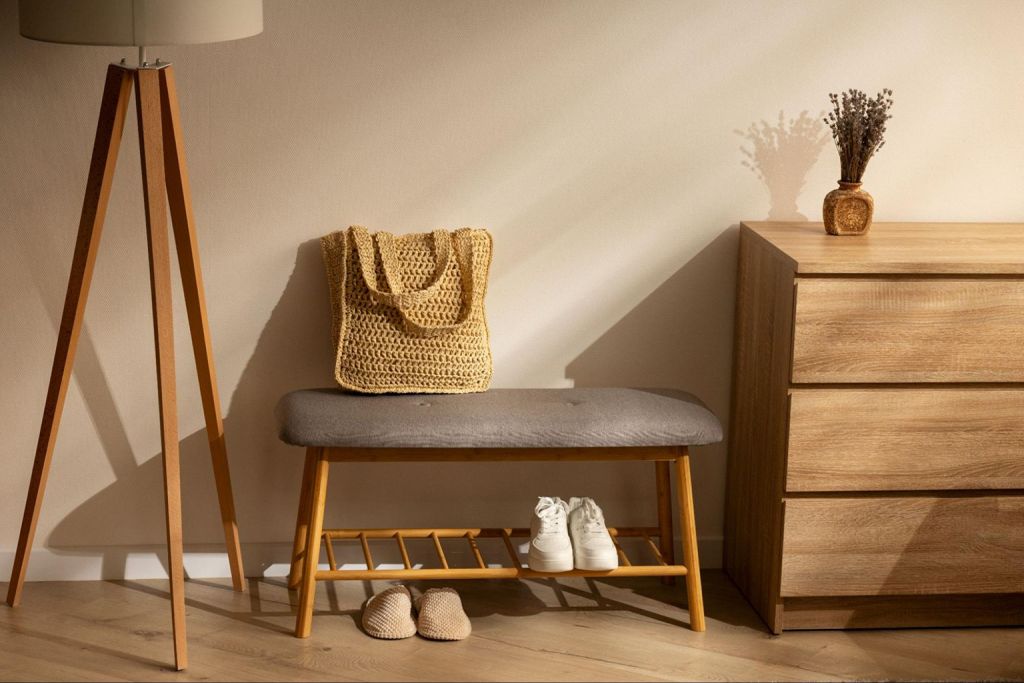
With many Malaysian condominium units offering compact layouts, furniture that serves more than one purpose, such as extendable dining tables, sofa beds, and ottomans with hidden storage, helps maximise limited square footage.
Alternative: For a more tailored, permanent solution, consider custom carpentry and built-in cabinetry designed around your space. This is also one of Blu Mountain’s strengths, with factory-direct carpentry that delivers a seamless, space-efficient finish.
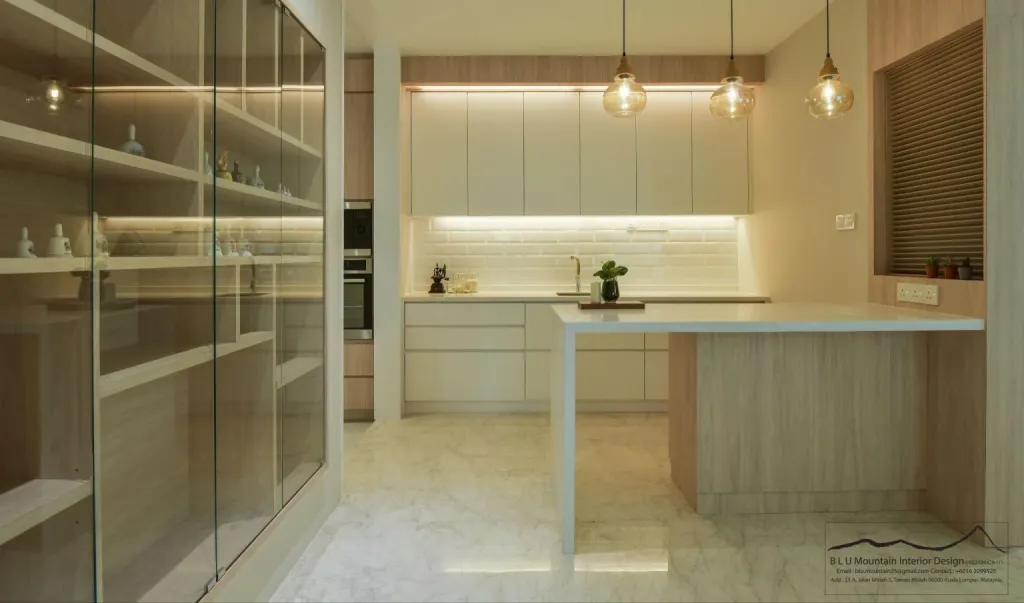
5. Add a Kitchen Island or Functional Niche

For larger kitchens, a kitchen island adds valuable counter space, storage, and a natural gathering point. In smaller kitchens, a peninsula counter (a countertop connected to a wall or cabinetry) or breakfast bar offers similar functionality while saving space. A dedicated niche for a coffee station, pantry, or small appliances can also improve organisation.
Alternative: Where space genuinely doesn’t allow for either, a slim bar-height counter against a wall, or a foldable counter extension, provides extra prep space without permanently reducing walking room.
6. Refresh Walls with Paint, Panelling, or Textures
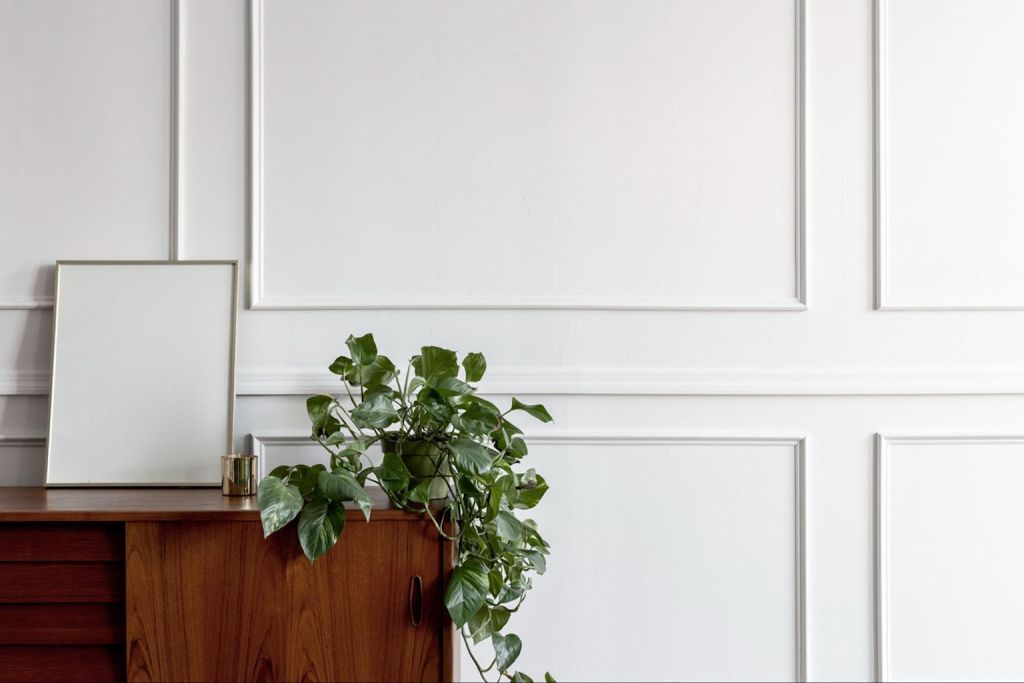
Wall panelling, wainscoting, and textured finishes such as limewash or microcement add depth and visual interest beyond flat paint. These finishes are especially popular for feature walls in living rooms, bedrooms, and entryways.
Alternative: Wooden fluted panel feature walls offer a similar visual impact to full wall panelling while using less material and keeping costs lower.
7. Upgrade Your Lighting Design
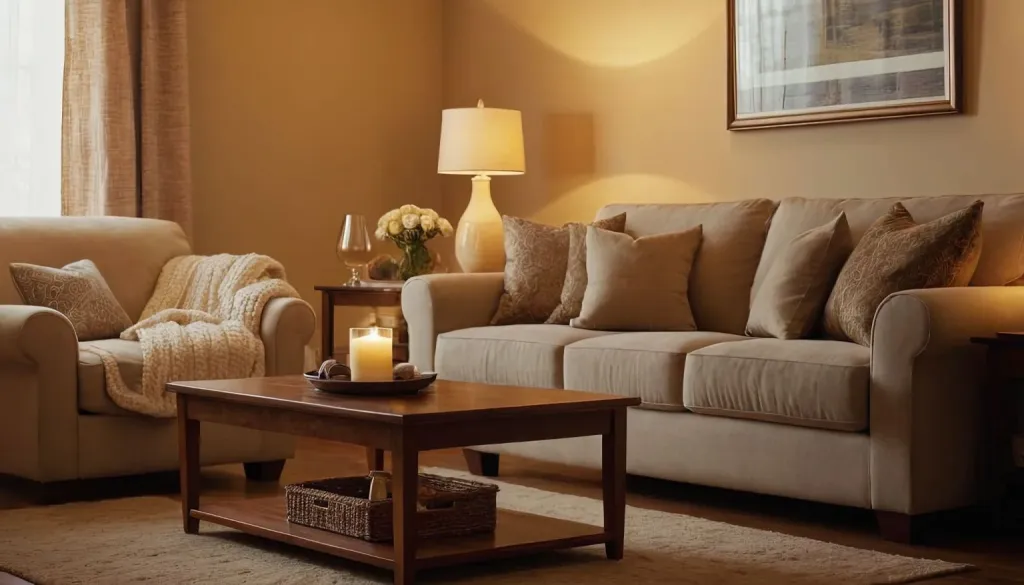
Layered lighting, combining ambient ceiling lights, task lighting, and accent lighting such as LED strips, creates a more flexible and atmospheric space than a single central light source. Dimmable fixtures also allow brightness to be adjusted throughout the day.
Alternative: If rewiring isn’t in the budget, plug-in floor lamps, table lamps, and battery-operated LED strips can introduce layered lighting effects without any electrical work.
8. Modernise Your Kitchen and Bathroom
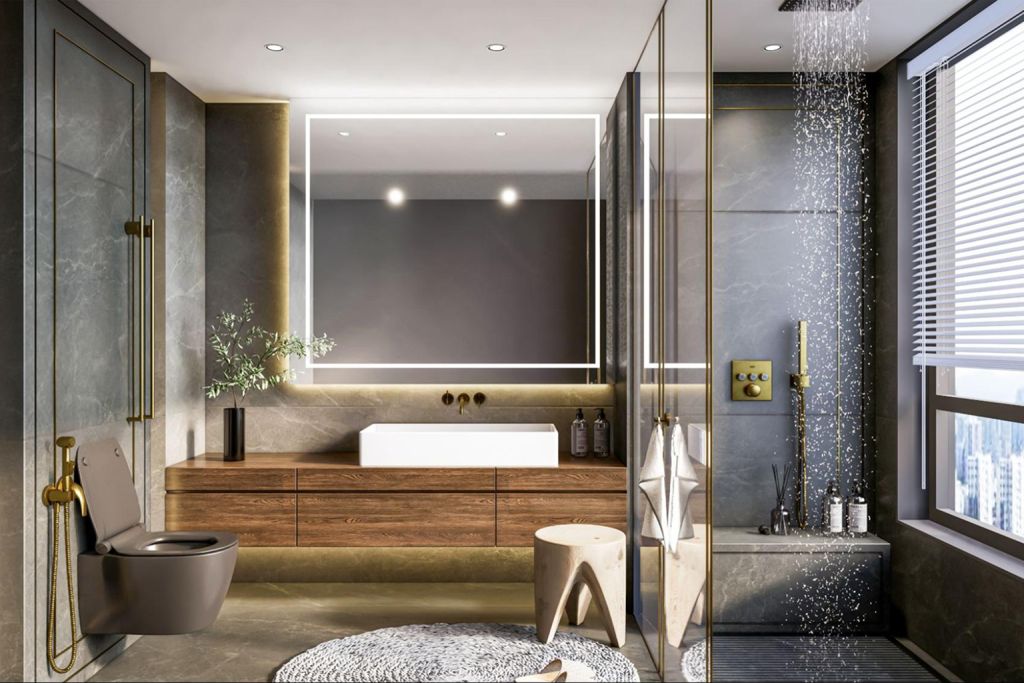
Kitchens and bathrooms see the heaviest daily use and the most wear from Malaysia’s humidity, making them some of the highest-impact areas to renovate. Common updates include new countertops (quartz is a popular, low-maintenance choice), updated cabinetry, improved ventilation, and water-resistant flooring.
Alternative: A full overhaul isn’t always necessary. Replacing taps and cabinet fronts while keeping the existing layout and plumbing can deliver a significant visual improvement at a fraction of the cost.
9. Blur the Boundary Between Indoor and Outdoor Spaces
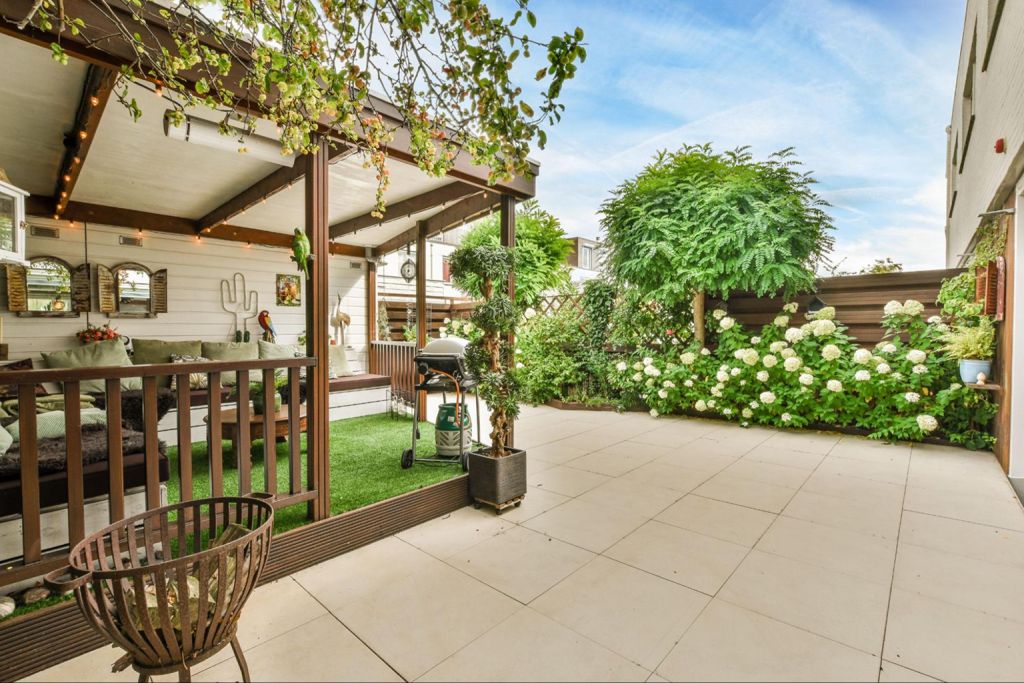
Sliding or folding glass doors, indoor plants, and covered patios help bring the outdoors in, a natural fit for Malaysia’s tropical climate. This works especially well for landed homes with a garden, balcony, or covered porch.
Alternative: For high-rise units without direct outdoor access, large windows, indoor plants, and natural materials such as rattan and timber can create a similar indoor-outdoor feel without any structural changes.
Quick Reference: Ideas and Alternatives
| Idea | Best Suited For | Lower-Cost or Smaller-Space Alternative |
| Open-concept layout | Landed homes with non-load-bearing walls | Broken-plan layout with sliding or glass partitions |
| Warm, natural colour palette | Any home seeking a refreshed look | Single accent wall first |
| Smart home features | Landed and high-rise homes alike | Start with smart plugs, bulbs, or one smart lock |
| Multi-functional furniture | Condos and smaller homes | Built-in, custom-fitted cabinetry |
| Kitchen island or niche | Larger kitchens with floor space | Wall-mounted breakfast bar or foldable counter |
| Wall panelling and textures | Feature walls in living areas and bedrooms | Washable wallpaper |
| Layered lighting design | Any home wanting better ambience | Lamps and battery LED strips |
| Modernised kitchen and bathroom | Older homes due for an upgrade | Replace countertops, taps, and cabinet fronts only |
| Indoor-outdoor blending | Landed homes with outdoor access | Large windows, indoor plants, natural materials |
Why Home Renovation Matters
A well-planned renovation does more than improve appearances. It directly affects how comfortable, functional, and valuable your home is over time:
- Increased Property Value: Renovating key areas such as the kitchen, bathroom, and living spaces can increase your home’s resale value and appeal to potential buyers or tenants, making it especially beneficial for homeowners planning to sell or lease their property.
- Improved Comfort and Functionality: A well-designed layout, better storage solutions, and upgraded fixtures make everyday living more convenient, whether you’re working from home or spending time with family.
- Greater Energy Efficiency: Installing LED lighting, energy-efficient appliances, and improving natural ventilation can help reduce electricity consumption and lower monthly utility bills, especially in Malaysia’s hot and humid climate.
- Protection Against Wear and Humidity: Malaysia’s tropical climate can cause paint, timber, grout, and other finishes to deteriorate over time. Renovating helps protect your home from moisture-related damage and extends the lifespan of materials.
- Adapting to Changing Family Needs: As your lifestyle evolves, renovations can create more practical spaces for growing families, elderly parents, home offices, or multifunctional rooms.
- Keeping Pace with Modern Design Trends: Updating your home’s colours, materials, and finishes creates a fresh, contemporary look while improving the overall living experience.
Priorities to Consider Before Starting a Home Renovation

Before any work begins, take some time to plan the essentials. A little preparation upfront can help you avoid unexpected costs, delays, and unnecessary stress later on.
- Budget and contingency: Set a realistic budget and keep 10 to 15 percent aside for unexpected expenses.
- Scope and goals: Decide whether you’re looking for a simple refresh, a functional upgrade, or a complete renovation.
- Timeline: Allow time for design, approvals, material sourcing, and construction, not just the renovation work itself.
- Permits and approvals: Structural changes, extensions, and renovations involving common property in condominiums may require approval from your local authority or management body.
- Contractor selection: Choose a CIDB-registered contractor or design-and-build firm with a proven track record and completed projects you can verify.
- Material and furniture lead times: Imported tiles, fittings, and furniture may take several weeks or even months to arrive, so plan ahead.
- Living arrangements: Consider whether you can comfortably stay in your home during the renovation, especially if major works are involved.
- Strata or condo rules: If you’re renovating a condominium, check your management corporation or JMB’s guidelines, working hours, and required deposits. If you’re extending your home, also review Malaysia’s house extension regulations and approvals.
Additional Home Improvement Ideas
Beyond the nine ideas above, these smaller updates can refresh a home without major construction work:
- Revamp existing furniture: Reupholstering, repainting, or refinishing solid furniture is a cost-effective way to update a room without buying new pieces.
- Install floating shelves: Floating shelves make use of vertical space to add storage and display areas without taking up valuable floor space. They’re especially useful in smaller condos and work well in kitchens, living rooms, and home offices.
- Replace cabinet handles and bathroom hardware: Swapping out dated handles, taps, and towel rails is one of the simplest ways to refresh a kitchen or bathroom without touching cabinetry or plumbing.
- Enhance ceilings with feature treatments: False ceilings with cove lighting, exposed beams, or stepped designs add architectural interest and can conceal wiring or uneven surfaces.
- Incorporate woven or fluted cabinet doors: Rattan-woven panels and fluted MDF fronts are a growing trend in Malaysian interiors, adding texture to kitchens, wardrobes, and TV consoles.
- Refresh your home with decorative accents: Mirrors, indoor plants, textiles, and artwork can update a space’s mood without any construction work.
Home Renovation Tips Before You Start
- Get at least three quotes from CIDB-registered contractors or design-and-build firms before deciding.
- Set aside a contingency fund of around 10 to 15 percent of your total budget for unexpected costs.
- Check with your local authority (Pihak Berkuasa Tempatan) or your condominium’s management corporation or JMB about approval requirements before structural work begins.
- Plan around Malaysia’s monsoon season if exterior, roofing, or waterproofing work is involved.
- Confirm material and furniture lead times early, as imported items can take weeks or months to arrive.
- Decide where you’ll stay during the renovation, especially for full home projects.
- Put renovation agreements, timelines, and payment schedules in writing before work starts.
Conclusion
Home renovation in 2026 is about more than following trends. It’s about creating a space that suits how you actually live, while accounting for Malaysia’s climate, housing types, and practical realities like permits and contractor selection. Whether you’re opening up a layout, modernising a kitchen, or simply refreshing a few key details, the ideas above offer a starting point for a renovation that fits both your vision and your budget.
Ready to renovate? Partner with Blu Mountain for a seamless renovation journey, from concept and planning to final handover. As a CIDB Grade G5 registered interior design and build firm in Kuala Lumpur, we combine thoughtful design, reliable project management, and quality craftsmanship to bring your vision to life.
Frequently Asked Questions
How much does a home renovation cost in Malaysia?
Costs vary widely depending on property type, scope, and finishes. As a general guide:
| Property Type | Partial Renovation | Full Renovation |
| Condominium or apartment | RM20,000 to RM60,000 | RM60,000 to RM150,000+ |
| Terrace or link house | RM50,000 to RM120,000 | RM120,000 to RM300,000+ |
| Semi-detached or bungalow | RM80,000 to RM200,000+ | RM200,000 to RM500,000+ |
These figures are indicative only. A detailed quote from your contractor or designer will reflect your specific scope and material choices.
How long does a typical home renovation take?
A partial renovation generally takes 4 to 8 weeks, while a full home renovation can take 3 to 6 months, depending on scope, approvals, and material availability.
Do I need approval or a permit to renovate my home in Malaysia?
Cosmetic work, such as painting or replacing fixtures, generally doesn’t require a permit. Structural changes, extensions, or work affecting common property in a condominium usually require approval from your local council and, where applicable, your management corporation or JMB.
Can I renovate a condominium or apartment unit?
Yes, but it’s subject to your building’s house rules. Most management bodies require renovation plans to be submitted in advance, restrict working hours, and may require a renovation deposit before work begins.
What’s the difference between renovation and interior design?
Renovation refers to the physical construction work, both structural and cosmetic, needed to update a space. Interior design focuses on planning the layout, materials, furniture, and overall aesthetic.
For larger projects, a residential design and build approach combines both under one team, providing a more streamlined process from design through to construction.
Should I renovate in phases or all at once?
It depends on your budget and tolerance for disruption. Renovating all at once is generally faster and can be more cost-efficient overall, while phased renovations spread out cost and disruption but may take longer to complete and can involve higher cumulative costs over time.