Introduction
Choosing an interior design style shapes everything that follows, from the materials you invest in and the furniture you choose to how a space feels to live or work in for years to come. Whether you’re redesigning your home or working with an interior designer, understanding the strengths of each style helps you make more informed design decisions.
From the calming simplicity of Japandi to the bold layering of Maximalism, this guide explores 10 of the most popular interior design styles in Malaysia, along with practical tips for choosing the right fit for your space.
What is an Interior Design Style?
An interior design style is a consistent set of design principles that guides every aspect of a space, from colour palettes and material choices to furniture shapes, architectural details, lighting, and layout. When these elements work together, the home feels cohesive and intentional instead of like a collection of unrelated ideas.
This is why two homes can have the same sofa yet feel completely different. The sofa is only one piece of the design. It is the overall style that determines how every element fits together.
Why does the Type of Interior Design Style Matter?
Once you understand that a style is a decision-making system, it becomes clear why choosing one matters long before any furniture gets ordered.
- It prevents a home from feeling disjointed: Without a defined style, renovation decisions tend to happen one at a time. A nice rug here, a trending pendant light just because it looked good online. While each choice may work on its own, the finished home can end up feeling like a collection of ideas rather than a cohesive space. A defined style acts as a filter, helping you decide what belongs and what does not.
- It reflects how you actually live: The best-looking home is not always the most practical one. A young family needs durable materials and flexible spaces, while someone working from home may need to incorporate a study without disrupting the overall design. The right style should support your lifestyle first, with aesthetics following naturally.
- It keeps your budget under control: Every design style comes with different cost expectations. A home built around natural stone, solid timber, and custom joinery will naturally cost more than one that relies on clean paint finishes and thoughtful proportions. Deciding on a style early helps you understand those costs before the renovation begins.
- It suits Malaysia’s climate: Some materials and finishes look great in a showroom but struggle with tropical heat and humidity over time. Choosing a style that works well with local conditions helps your home look good for longer, not just on the day the renovation is completed.
- It gives everyone the same vision: Telling a designer you want a home that feels “cosy” can mean something different to every person involved. A defined style gives homeowners, designers, and contractors a common reference point, making communication clearer and reducing costly misunderstandings during the renovation.
10 Popular Types of Interior Design Styles in Malaysia
1. Minimalist
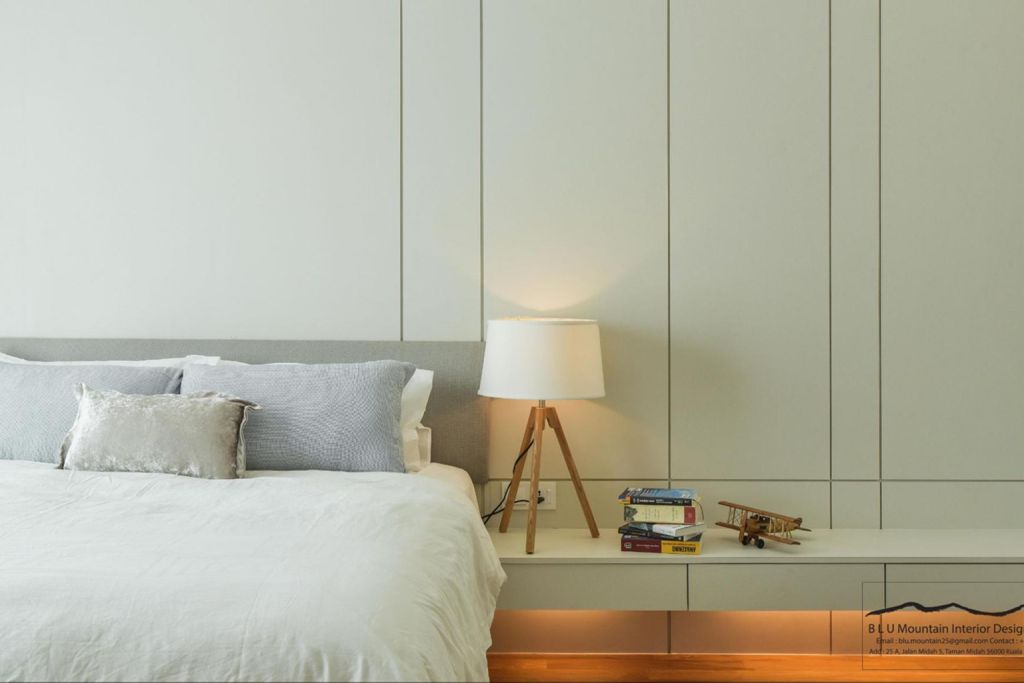
- Characteristics: Clean, uncluttered forms, generous negative space, and layouts built around function first.
- Materials & Textures: Polished concrete, glass, matte laminate, and brushed steel.
- Colour Palette: White, grey, and black, with a single accent tone used sparingly.
- Signature Furniture: Built-in storage, sleek modular seating, and cabinetry that disappears into the wall.
- Design Philosophy: Every object in the room should earn its place. Minimalism strips away the unnecessary so that what remains can be appreciated fully.
- Advantages: Easy to maintain, visually expands smaller rooms, and ages gracefully without feeling tied to a particular era.
- Decor Tips: Invest in a few statement pieces rather than many small ones, keep surfaces clear as a rule, and let lighting carry the decorative weight of the room.
Popular Minimalist Variations
- Warm Minimalism: A softer version of minimalism that adds warm wood tones, textured fabrics, and cosy lighting. It keeps the clean look of minimalism while making the space feel more comfortable and welcoming.
- Wabi-Sabi: A Japanese design philosophy that finds beauty in imperfection. It embraces natural materials, handmade textures, and slightly uneven or aged finishes, creating spaces that feel calm, authentic, and lived in.
Interested in the minimalist movement shaping interior design in Kuala Lumpur? Read our guide to Minimalist Interior Design Ideas for Malaysian Homes.
2. Japandi/Muji
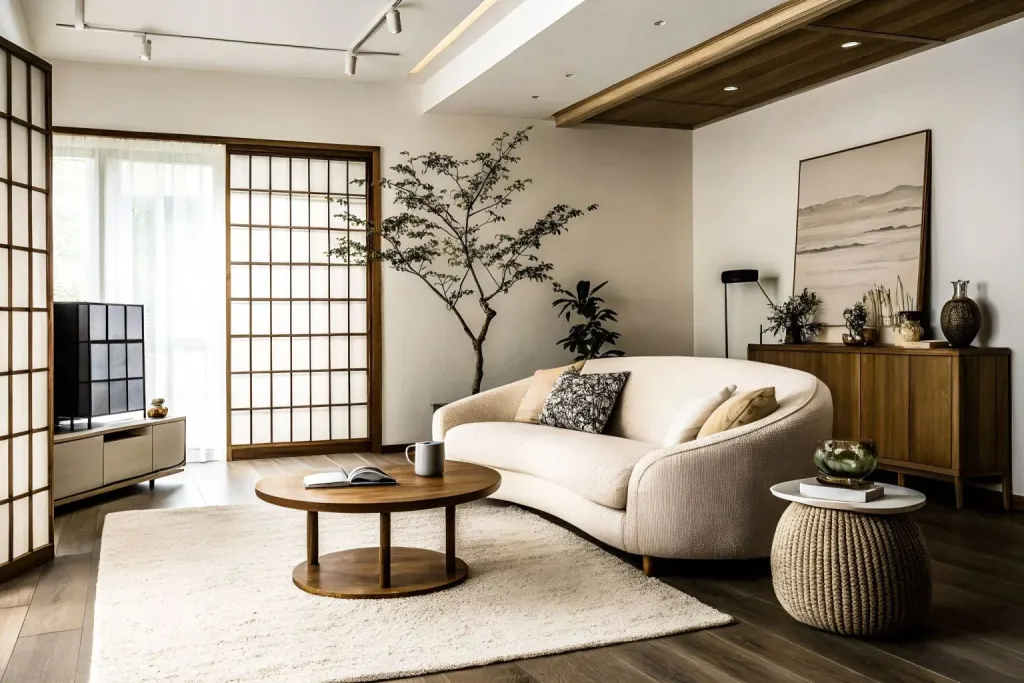
- Characteristics: Inspired by Japanese minimalism, this style focuses on simplicity, intentional living, and a calm, uncluttered environment. Japandi and Muji interiors prioritise clean lines, functional furniture, and thoughtfully curated spaces that feel warm rather than empty.
- Materials & Textures: Light-toned timber such as oak and ash, bamboo, linen, cotton, raw stone, matte ceramics, and handcrafted finishes.
- Colour Palette: Soft whites, warm beiges, oatmeal, light greys, muted sage greens, and charcoal accents.
- Signature Furniture: Low-profile sofas, wooden platform beds, simple dining tables, open shelving, and multifunctional furniture with understated detailing.
- Design Philosophy: Rooted in Japanese minimalism, Japandi and Muji embrace thoughtful simplicity, quality craftsmanship, and purposeful design. Every element is chosen with intention, creating a home that feels calm, functional, and connected to nature.
- Advantages: Creates a peaceful, clutter-free home that’s easy to maintain. Its timeless aesthetic and emphasis on quality over quantity also make it well suited to both compact apartments and larger landed homes.
- Decor Tips: Keep decorative items to a minimum and display only pieces with personal meaning or practical purpose. Introduce warmth through natural textures such as timber, linen, woven baskets, and ceramics, while allowing natural light and negative space to become part of the design.
3. Mid-Century Modern
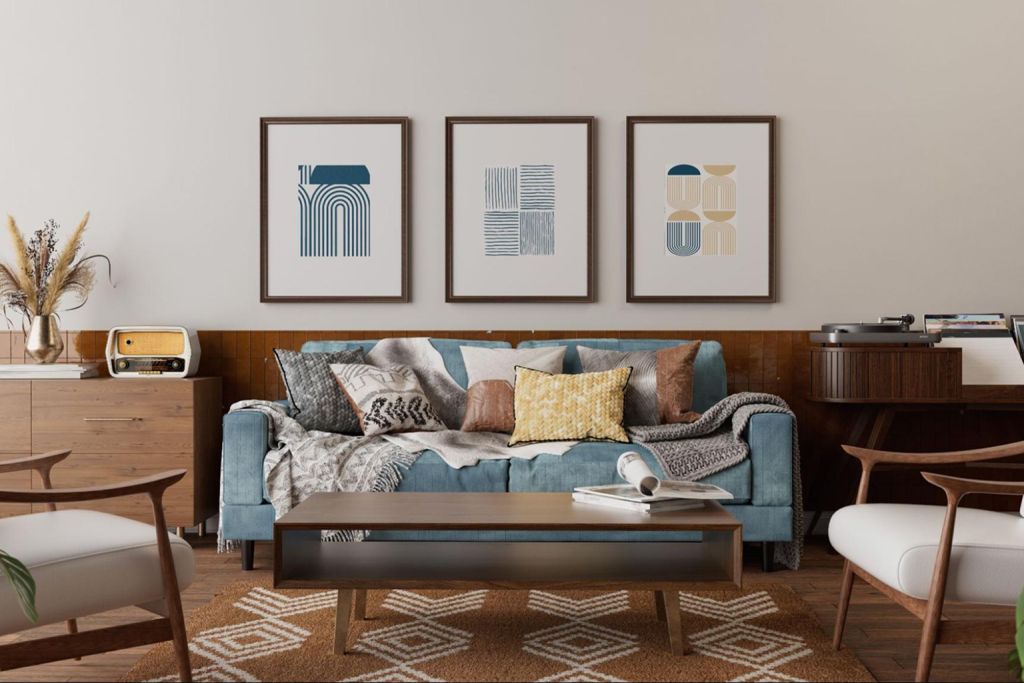
- Characteristics: Organic curves paired with clean geometric lines, sculptural yet functional furniture, minimal hardware such as slim finger pulls or integrated handles, and a strong indoor-outdoor connection.
- Materials & Textures: Teak, walnut, leather, brass, and glass.
- Colour Palette: Warm wood tones grounded by mustard, teal, or burnt orange accents against a neutral backdrop.
- Signature Furniture: Tapered-leg chairs, low sideboards, egg chairs, and slim-profile sofas.
- Design Philosophy: Rooted in the design movement of the 1950s and 60s, Mid-Century Modern celebrates simplicity, function, and a closer relationship with the outdoors.
- Advantages: Pairs naturally with the timber tones and abundant light found in many Malaysian homes, and the furniture itself tends to be a durable, long-term investment.
- Decor Tips: Pair vintage-inspired furniture with contemporary lighting fixtures, and use bold accent colours sparingly so they read as deliberate rather than decorative noise.
4. Maximalist

- Characteristics: Layered patterns, bold colour combinations, and an unapologetic abundance of personal collections and art.
- Materials & Textures: Velvet, brocade, lacquered finishes, and mixed metals.
- Colour Palette: Jewel tones, including deep emerald, sapphire, and burgundy, finished with gold accents.
- Signature Furniture: Statement armchairs, ornate cabinetry, and curated gallery walls.
- Design Philosophy: Where minimalism subtracts, maximalism adds. It treats personal expression and curated abundance as the point of the design, not something to be edited away.
- Advantages: Highly personal and memorable, making it especially effective in hospitality spaces and feature rooms that benefit from a strong sense of drama.
- Decor Tips: Anchor the room with one dominant colour family so the layering feels intentional, and balance busy patterns with at least one calm surface, such as the flooring or ceiling.
5. Scandinavian

- Characteristics: Light-filled rooms, practical layouts, and a cosy take on minimalism.
- Materials & Textures: Pale woods, wool, cotton, and clear glass.
- Colour Palette: White and soft grey, paired with natural wood tones and the occasional black accent.
- Signature Furniture: Simple wooden chairs, functional storage units, and woven textiles.
- Design Philosophy: Built around the Scandinavian concept of hygge, prioritising everyday comfort and design that feels accessible rather than exclusive.
- Advantages: Maximises available natural light, holds up well to family life, and can be refreshed easily without a full renovation.
- Decor Tips: Layer textiles such as throws and cushions for warmth, and keep window treatments minimal to let as much daylight in as possible.
6. IKEA
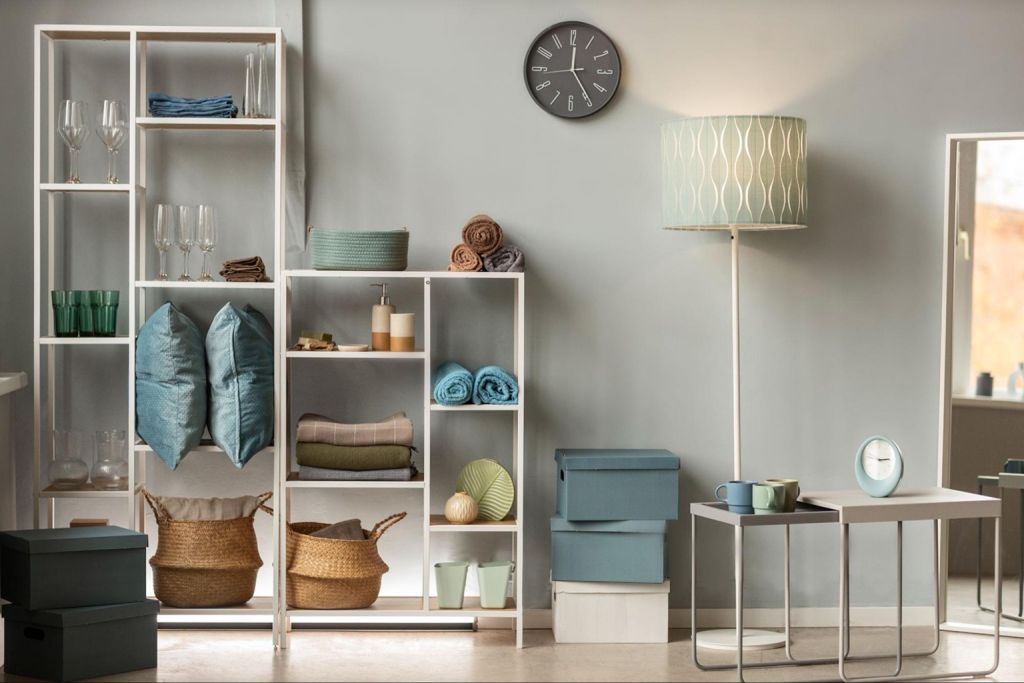
- Characteristics: Bright, practical, and welcoming, this style focuses on simple forms, everyday functionality, and comfortable living. Clean lines, uncluttered layouts, and multifunctional furniture make it especially suitable for modern homes of all sizes.
- Materials & Textures: Light timber, linen, cotton, wool, painted wood, and subtle metal accents.
- Colour Palette: Crisp whites, warm neutrals, light greys, soft blues, and muted pastel accents.
- Signature Furniture: Modular sofas, open shelving, round dining tables, storage benches, and multifunctional furniture with slim wooden legs.
- Design Philosophy: Rooted in Scandinavian design, this style believes that good design should be accessible, practical, and comfortable. Every piece is designed to serve a purpose while creating a bright, inviting home.
- Advantages: Maximises natural light, makes smaller spaces feel more open, and offers flexible furniture solutions that adapt to changing lifestyles. Its timeless aesthetic also makes it easy to refresh without a complete renovation.
- Decor Tips: Layer different textures instead of bold colours to create warmth. Use rugs, cushions, throws, indoor plants, and simple artwork to add personality while keeping the space light, organised, and functional.
7. Rustic

- Characteristics: Raw, natural textures that celebrate imperfection and craftsmanship over polish.
- Materials & Textures: Reclaimed or solid wood, exposed timber beams, natural stone, leather, wrought iron, and textured fabrics such as linen, wool, and jute.
- Colour Palette: Earthy browns, deep greens, and charcoal.
- Signature Furniture: Solid wood tables, leather sofas or armchairs, handcrafted wooden furniture, and wrought-iron lighting.
- Design Philosophy: Materials are left close to their natural state, offering a deliberate counterpoint to the polish of more contemporary interiors.
- Advantages: Durable by nature, and well-suited to tropical climates when paired with good ventilation and greenery.
- Decor Tips: Let the natural grain, texture, and imperfections of wood and stone stand out. Choose handcrafted décor and avoid over-polishing or over-decorating the space.
8. Contemporary
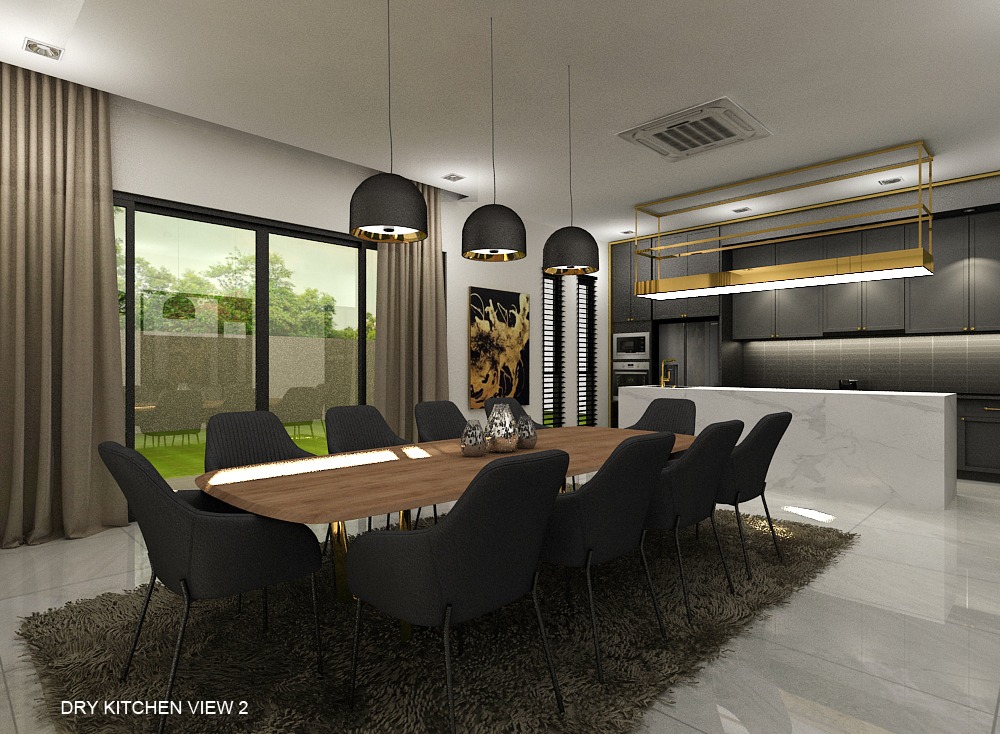
- Characteristics: Sleek, uncluttered interiors defined by clean lines, gentle curves, open layouts, and a balance between simplicity and visual interest. Contemporary spaces embrace current design trends while maintaining a refined, timeless feel.
- Materials & Textures: Glass, metal, wood, stone, concrete, glossy finishes, and textured fabrics such as linen, wool, and boucle to create depth and warmth.
- Colour Palette: Neutral shades such as white, beige, grey, black, and warm earth tones, complemented by bold accent colours used selectively for contrast.
- Signature Furniture: Curved sofas, sculptural accent chairs, sleek cabinetry, geometric coffee tables, and furniture with smooth silhouettes and understated detailing.
- Design Philosophy: Creates sophisticated, functional spaces by balancing clean forms, comfort, and the latest design influences without overwhelming the interior.
- Advantages: Bright, versatile, and easy to personalise, contemporary interiors adapt well to changing lifestyles while maintaining a polished and welcoming appearance.
- Decor Tips: Keep accessories intentional and uncluttered. Layer different textures to add warmth, introduce curved furniture or statement lighting for visual interest, and use artwork or accent pieces to inject personality without overwhelming the space.
9. Modern Luxury
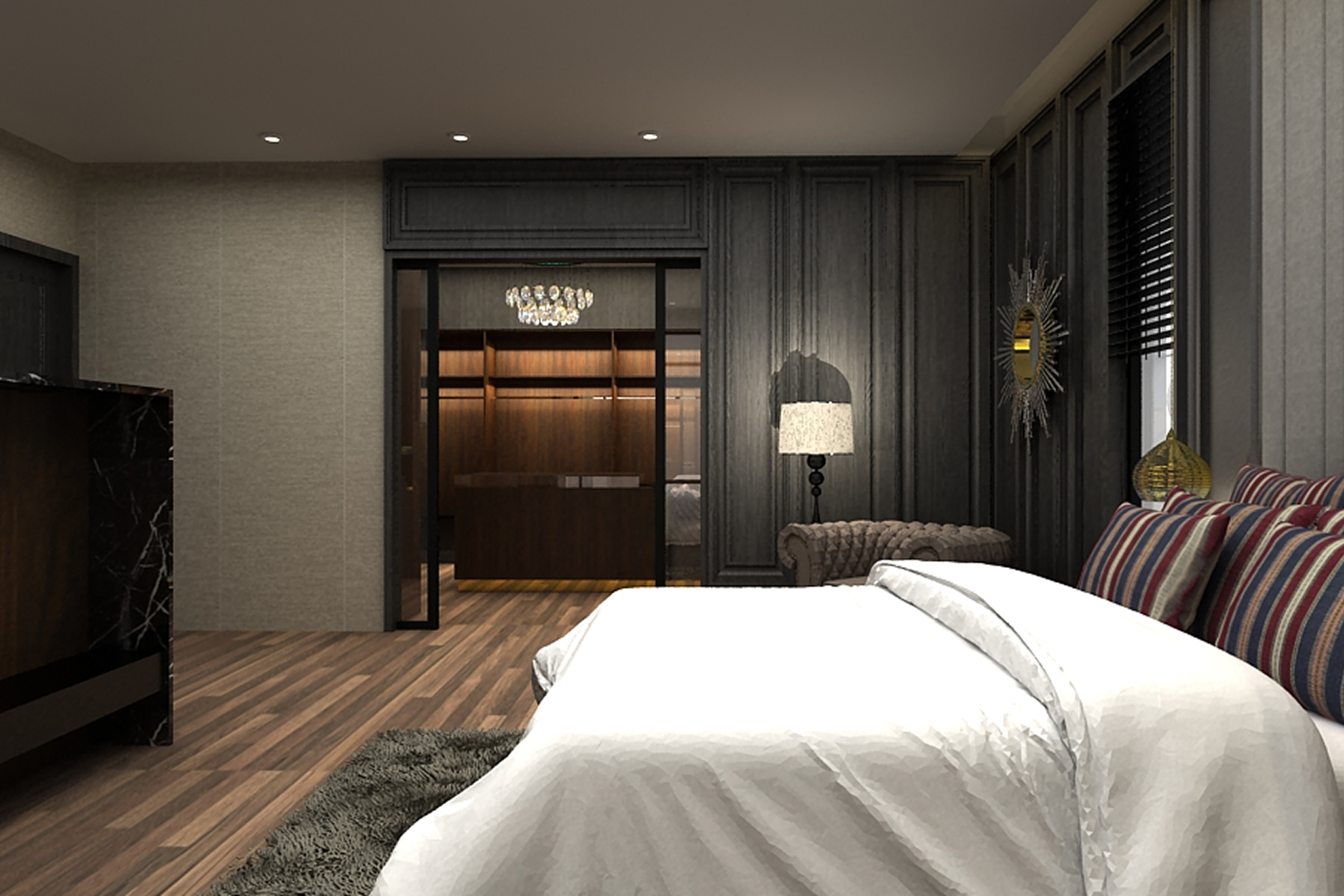
- Characteristics: Refined materials, sophisticated proportions, and restrained ornamentation.
- Materials & Textures: Marble, brushed brass, high-grade leather, and smoked glass.
- Colour Palette: Deep neutrals, ivory, charcoal, and metallic accents.
- Signature Furniture: Bespoke joinery, statement lighting fixtures, and tailored upholstery.
- Design Philosophy: Luxury here is expressed through quality and proportion rather than visible excess, letting the craftsmanship speak for itself.
- Advantages: Tends to elevate resale value and suits hospitality projects and premium residential spaces alike.
- Decor Tips: Invest in fewer, higher-quality pieces rather than many decorative ones, and let considered lighting design do much of the visual work.
Related Trend: Quiet Luxury Interiors
A quieter expression of modern luxury, favouring understated materials, tonal palettes, and visible craftsmanship over branding or obvious display.
10. Tropical Modern

- Characteristics: Open layouts designed for ventilation and natural light, blending indoor and outdoor living.
- Materials & Textures: Timber, rattan, natural stone, and breathable fabrics.
- Colour Palette: Warm neutrals offset by greens and earth tones.
- Signature Furniture: Rattan seating, teak furniture, and louvered screens.
- Design Philosophy: Architecture and interiors designed to respond directly to Malaysia’s climate, light, and surrounding greenery rather than working against them.
- Advantages: Well-suited to local weather, reduces reliance on air conditioning, and keeps interiors connected to the natural environment.
- Decor Tips: Incorporate indoor planting generously, and use louvers or screens to manage light and airflow without losing privacy.
Design Trends Shaping Malaysian Interior Design
- Multifunctional Spaces: As homes and commercial units across Kuala Lumpur trend smaller, layouts are increasingly designed to flex between uses, such as a home office that converts into a guest room when needed.
- Statement Ceilings: Ceilings are becoming a design feature in their own right, with exposed beams, cove lighting, and sculptural finishes drawing the eye upward without consuming floor space.
- Quiet Luxury: A shift away from logo-driven decor toward refined, tonal interiors that communicate quality through materials and craftsmanship rather than visible branding.
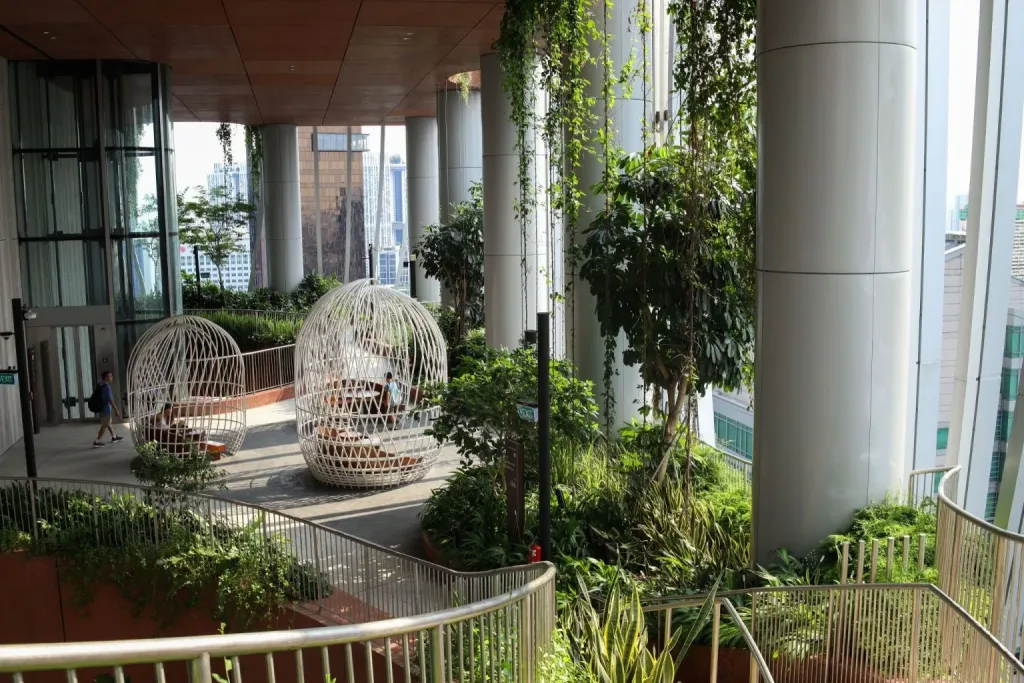
- Biophilic Design: Plants, natural light, and organic textures are being built into homes and commercial spaces alike to support wellbeing and air quality.
- Sustainable Materials: Reclaimed timber, low-VOC finishes, and locally sourced materials are gaining ground as clients weigh environmental impact alongside aesthetics.
Which Interior Design Style Works Best for Different Spaces?
Rather than choosing a different style for every room, consider how you want each space to feel and function. The following recommendations group interior design styles by purpose, making it easier to create a cohesive home while adapting each space to its intended use:
| Space | Recommended Interior Design Style(s) | Why They Work |
| Living & Entertaining Spaces(Living room, dining room, family room) | Contemporary, Mid-Century Modern, Scandinavian, Modern Luxury | These styles balance comfort, functionality, and visual appeal, creating welcoming spaces for everyday living as well as entertaining guests. |
| Rest & Relaxation Spaces(Bedroom, bathroom, reading nook) | Japandi / Muji, Minimalist | Soft colours, natural materials, and clutter-free layouts create a calm environment that encourages rest and relaxation. |
| Practical & Functional Spaces(Kitchen, laundry, pantry) | Contemporary, Scandinavian | Clean layouts, durable materials, and efficient storage make these styles well suited to spaces used every day. |
| Work & Study Spaces(Home office, corporate office) | Contemporary, Scandinavian, Minimalist | Bright, organised environments with minimal distractions help support focus, productivity, and collaboration. |
| Commercial & Hospitality Spaces(Retail stores, cafés, restaurants, hotels) | Modern Luxury, Tropical Modern, Rustic | These styles help businesses create memorable customer experiences while balancing aesthetics, comfort, and practicality. |
How to Choose the Right Interior Design Style
- Consider Your Lifestyle: Think honestly about how you live day to day, not how you imagine living in an idealised version of the space.
- Assess Your Space: Natural light, ceiling height, and layout constraints all shape which styles will translate well into your specific space.
- Define Your Budget: Be upfront about your budget from the start. Some styles, such as Modern Luxury, call for higher material investment, while others, such as Scandinavian, can be achieved more economically.
- Gather Inspiration: Collect references from real, completed homes and projects rather than relying on isolated photos that may not reflect how a style lives day to day.
- Mix Styles Thoughtfully: You don’t need to commit to a single label. Pull the best elements from a few styles and combine them with a consistent thread, whether that’s colour, material, or mood.
So, Which Interior Design Style Should You Choose?
The best interior design style is the one that suits your lifestyle, space, and personal preferences. Rather than following trends, think about how you use your home and the atmosphere you want to create.
- For a clean and timeless look: Minimalist, Japandi / Muji, or Scandinavian.
- For smaller homes or apartments: Minimalist, Scandinavian, or IKEA, thanks to their practical layouts and space-saving furniture.
- For a warm and welcoming home: Scandinavian or Tropical Modern.
- For a calm and relaxing atmosphere: Japandi / Muji or Tropical Modern.
- For a bold and expressive interior: Maximalist.
- For a modern, versatile home: Contemporary.
- For an elegant, premium feel: Modern Luxury.
- For homes that embrace Malaysia’s climate: Tropical Modern.
- For a touch of nostalgia with timeless appeal: Mid-Century Modern.
Don’t feel confined to a single design style. Many of the best interiors combine elements from different aesthetics, creating spaces that feel personal rather than pulled from a catalogue.
Conclusion
While interior design styles and trends can help you discover what you like and narrow down your preferences, they should never be the sole reason for choosing an interior design style. The best design is one that suits the people who use the space every day, whether they live, work, or welcome guests there. It should reflect your needs, support everyday living, and remain relevant long after trends have changed. After all, great design is measured not by how it looks, but by how well it serves the people within it.
As an interior design company in Kuala Lumpur, Blu Mountain creates spaces that are both visually appealing and purpose-driven. Whether you’re renovating a home, hospitality venue, office, or commercial property, partner with us today to bring your vision to life through a cohesive design that balances aesthetics, functionality, and long-term value.
Frequently Asked Questions
Can I Mix Different Interior Design Styles in My Home?
Yes. Eclectic styling works well when it’s anchored by a consistent colour palette or material story, so the mixed elements still feel cohesive rather than disjointed.
Which Interior Design Style Is Most Popular in Malaysia?
Tropical Modern and Japandi are particularly popular locally, as both respond well to Malaysia’s climate and reflect a growing preference for calm, uncluttered living.
How Do I Know Which Style Suits My Home?
Start with your daily routines, the practical demands of your space, and any existing pieces you want to keep, then narrow your options down to two or three styles before committing.
Do I Need an Interior Designer to Create a Cohesive Style?
Not strictly, but a designer can translate a style direction into a practical layout, material specification, and budget plan, helping you avoid costly trial and error along the way.
Are contemporary and modern the same?
No. While they share clean lines and a minimalist look, they have distinct characteristics. Modern design is rooted in a specific design era, emphasising functionality, natural materials, warm wood tones, and a muted colour palette. Contemporary design reflects current trends, often featuring a mix of materials, softer curves, sleek finishes, and neutral colours with bold accents.
Which type of interior design style requires the least maintenance?
It largely depends on your lifestyle. Scandinavian and Japandi styles are generally easy to maintain thanks to their practical layouts and durable materials. Minimalist interiors can be just as manageable if you’re comfortable keeping clutter to a minimum.
Can an interior designer combine multiple styles successfully?
Yes. A skilled interior designer can blend different styles into a cohesive design by balancing colours, materials, textures, and proportions. The key is to maintain a consistent design direction so the space feels intentional rather than mismatched.