
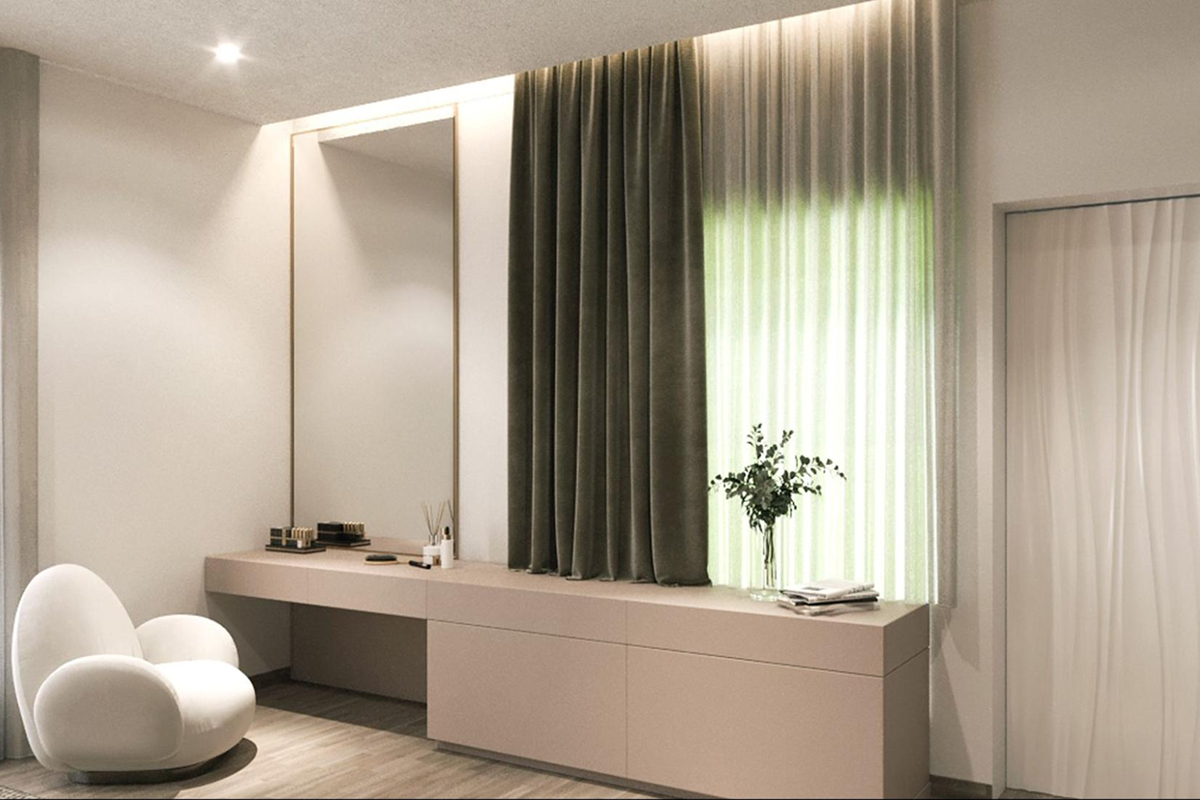
Introduction
Some interior design trends come and go, but minimalist interior design has remained a timeless favourite. At its core, it goes beyond how a space looks; it is a design philosophy that values simplicity and thoughtful living. Its enduring appeal has made it one of the most sought-after interior design styles for Malaysian homes.
The challenge, however, is knowing how to achieve it. Minimalist design isn’t simply about buying less furniture or choosing an all-white colour palette. It comes from a series of intentional design decisions. Whether you’re renovating an existing home or working with a residential interior designer from the start, these minimalist interior design ideas will help you create a home that feels both functional and timeless.
What is Minimalist Interior Design?
Minimalist interior design is a design philosophy centred on simplicity, functionality, and intentional living. Removing unnecessary distractions and focusing on what truly matters, it creates spaces that feel more open, organised, and comfortable to live in.
While often associated with neutral colour palettes and clean lines, minimalist design goes beyond appearances. It emphasises thoughtful space planning, natural materials, and an uncluttered layout to create a calm, timeless home.
What are the Benefits of Minimalist Interior Design?
Minimalism has remained one of the most popular interior design styles because it goes beyond aesthetics. It shapes how a home feels, functions, and supports everyday living.
- Creates a calming environment: Minimalist spaces reduce visual clutter while allowing natural light to become a key design feature. The result is a home that feels brighter, more open, and naturally relaxing.
- Encourages intentional living: Minimalism isn’t about owning less for the sake of it. It’s about prioritising the items that add value to your life and appreciating them more, rather than filling your home with unnecessary possessions.
- Adapts to different design styles: Minimalist principles work just as well in modern homes as they do in traditional interiors. Whether paired with warm timber, classic detailing, or contemporary finishes, simplicity provides a timeless foundation.
- Stands the test of time: Unlike trend-driven interiors, minimalist design focuses on clean forms, balanced proportions, and quality materials that remain relevant for years to come.
- Makes everyday maintenance easier: With fewer unnecessary objects and cleaner surfaces, minimalist homes are generally quicker to clean, organise, and maintain, making them especially practical for busy households.
7 Minimalist Interior Design Ideas for Malaysian Homes
1. Let Space Become Part of the Design
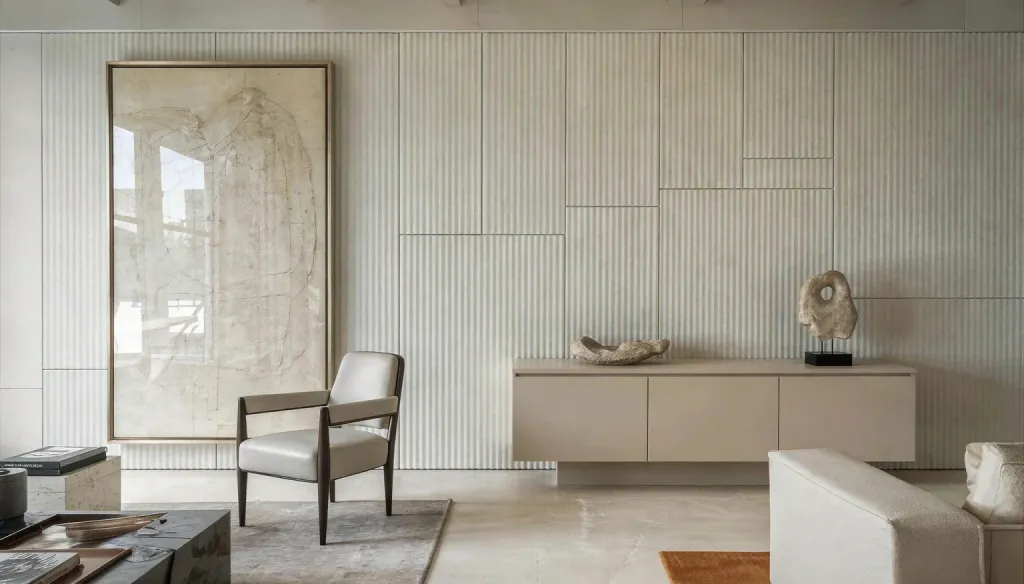
Minimalism isn’t about removing everything you own. It’s about giving each piece enough breathing room to stand out. Empty space, often called negative space, naturally draws attention to your favourite furniture, artwork, or architectural features.
Before buying new furniture, try rearranging your existing layout. Simply moving bulky pieces away from each other or opening up walkways can make a room feel calmer and more spacious.
BEST FOR:
- Living room: Pull furniture away from walls and create clear circulation paths.
- Bedroom: Leave space around the bed instead of filling every corner with furniture.
2. Use Transparent Elements to Create Visual Lightness
Transparent materials help a room feel larger without sacrificing function. Glass coffee tables, acrylic dining chairs, slim-framed light fixtures, and open shelving create less visual weight while allowing natural light to move more freely through the space.
This approach works particularly well in Malaysian homes. With our warm, tropical climate, interiors that feel bright, open, and airy are often more comfortable to live in. The goal isn’t to make everything invisible, but to create a greater sense of openness by reducing visual clutter.
BEST FOR:
- Living room: Glass coffee tables and open shelving.
- Hallway: Slim consoles or mirrors to maintain an open feel.
3. Choose Smart Storage That Works With Your Home
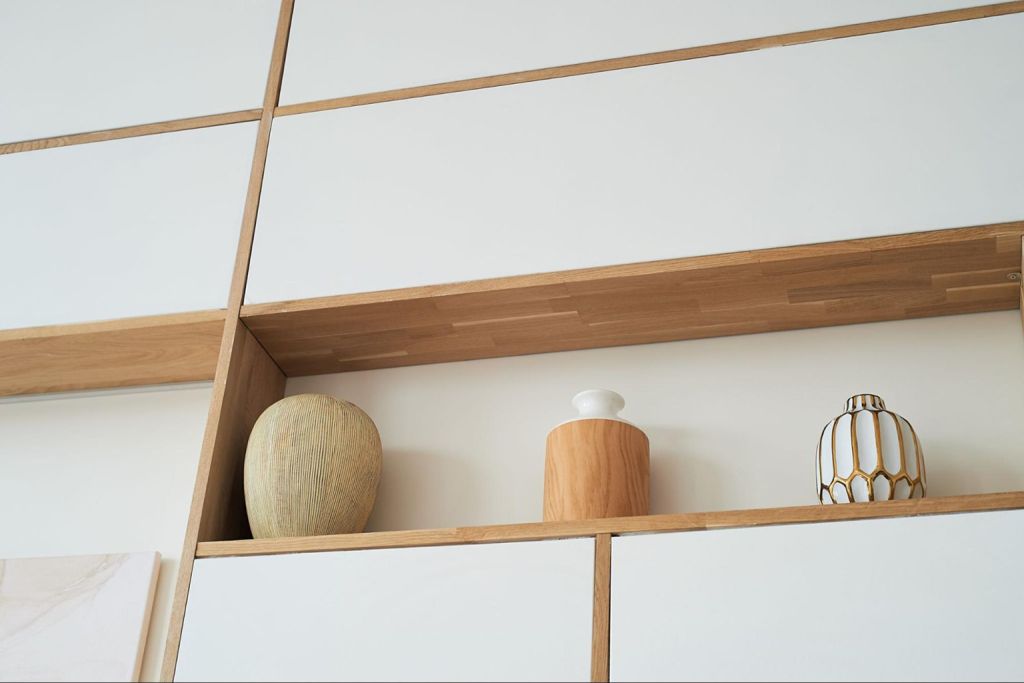
Minimalist homes aren’t free of belongings. They simply give everything a place.
Wall-mounted cabinets, floating shelves, and built-in storage help maximise every square metre while keeping surfaces and floors clear, especially in Malaysian homes where space is often limited. Good cable management is just as important. Concealing power cords, charging cables, and other visible wiring helps maintain the clean, uncluttered look that defines minimalist interiors.
At the same time, don’t feel the need to hide everything. Display books, ceramics, or artwork intentionally instead of filling every shelf. The goal is to curate your space, not empty it.
BEST FOR:
- Kitchen: Full-height cabinetry and integrated storage.
- Bedroom: Built-in wardrobes with concealed storage.
- Bathroom: Floating vanities and recessed niches.
4. Embrace Clean Lines and Geometric Forms
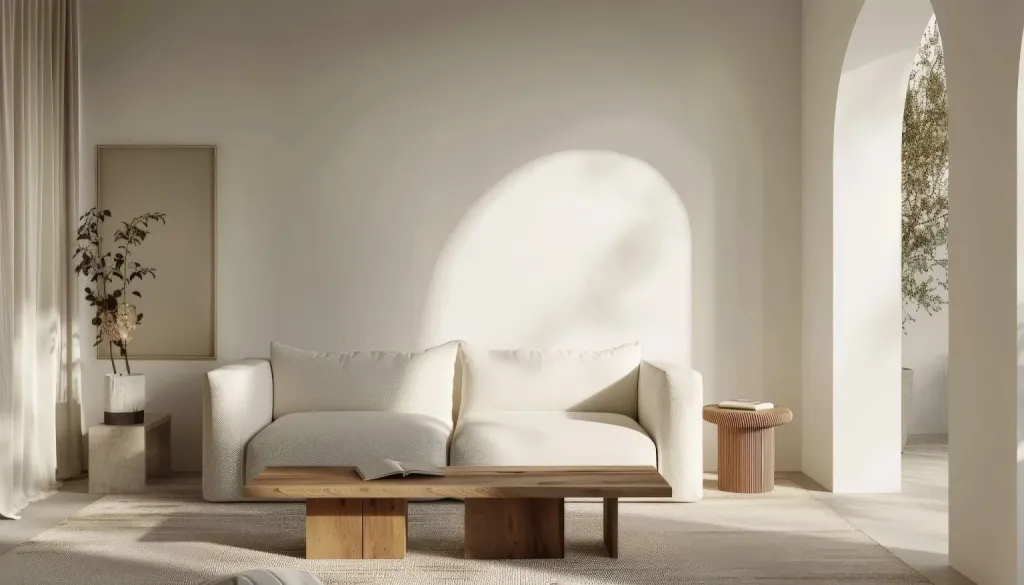
Straight lines and simple geometry create a sense of order without feeling cold. Think slim-profile furniture, flat-panel cabinetry, flush doors, and continuous wall lines that reduce visual interruptions.
Contrast also plays an important role. Pair crisp architectural lines with softer furnishings or natural textures to keep the space welcoming.
BEST FOR:
- Kitchen: Flat-panel cabinetry and clean-lined counters.
- Hallway: Fluted wall panels or subtle arched openings to create a softer transition between spaces.
- Living room: Simple furniture with defined silhouettes and balanced proportions.
5. Layer Subtle Colours and Finishes
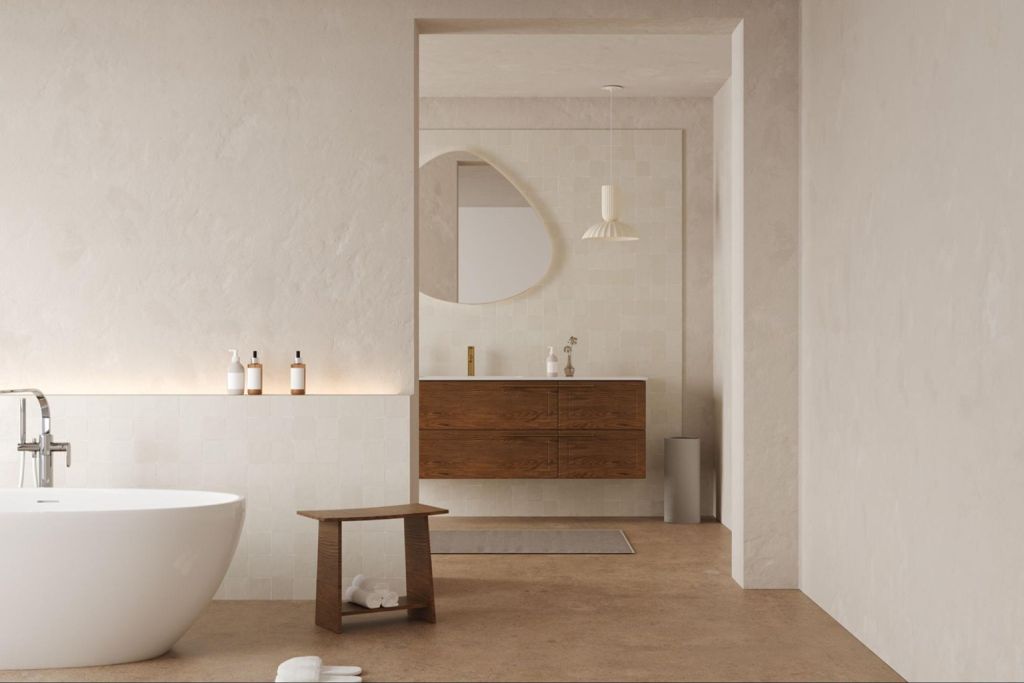
Minimalist interiors don’t have to be plain white. Layering warm neutrals, soft greys, natural wood, stone textures, and matte finishes creates depth without overwhelming the space.
Instead of bold colours, let texture become the visual interest.
BEST FOR:
- Living room: Textured walls, timber accents, and neutral upholstery.
- Bathroom: Stone-look tiles and matte fixtures.
- Bedroom: Soft textiles in tonal colours.
6. Make Every Decorative Piece Intentional
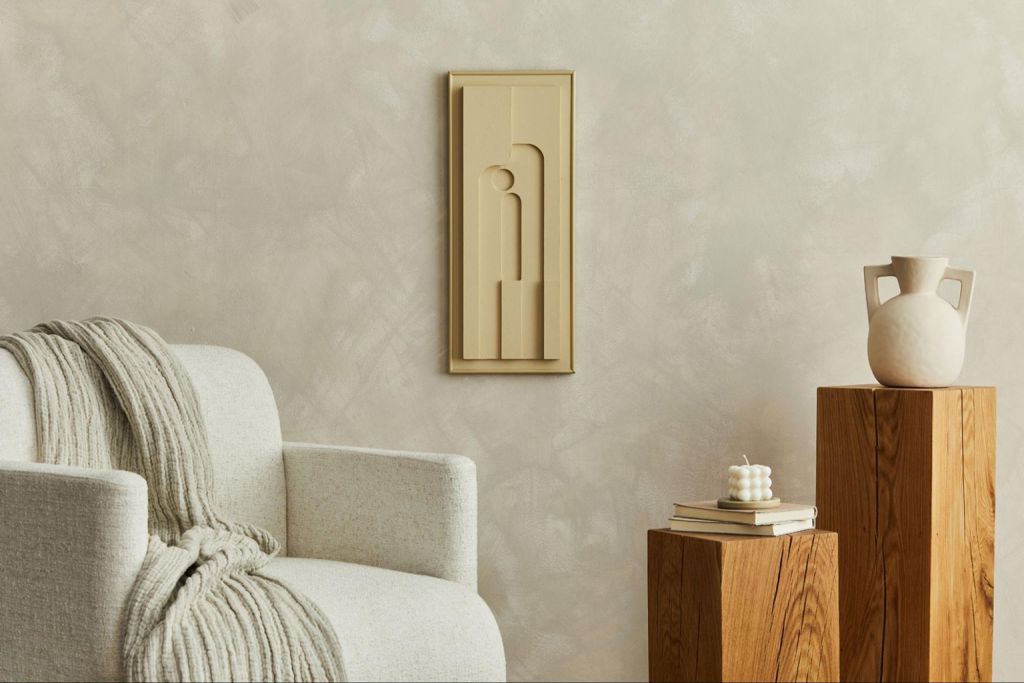
Minimalist interiors don’t have to feel sterile or impersonal. In fact, the best minimalist homes reflect the people who live in them through carefully chosen artwork, travel souvenirs, family photographs, or meaningful decorative pieces.
The difference lies in intention, not the absence of decoration. Rather than displaying everything, choose a smaller number of items that complement the room and hold personal meaning. Giving each piece room to breathe allows it to stand out, creating a home that feels both thoughtfully curated and uniquely yours.
BEST FOR:
- Living room: One statement artwork instead of a gallery wall.
- Hallway: A single console styled with one or two decorative objects.
7. Frame Natural Light
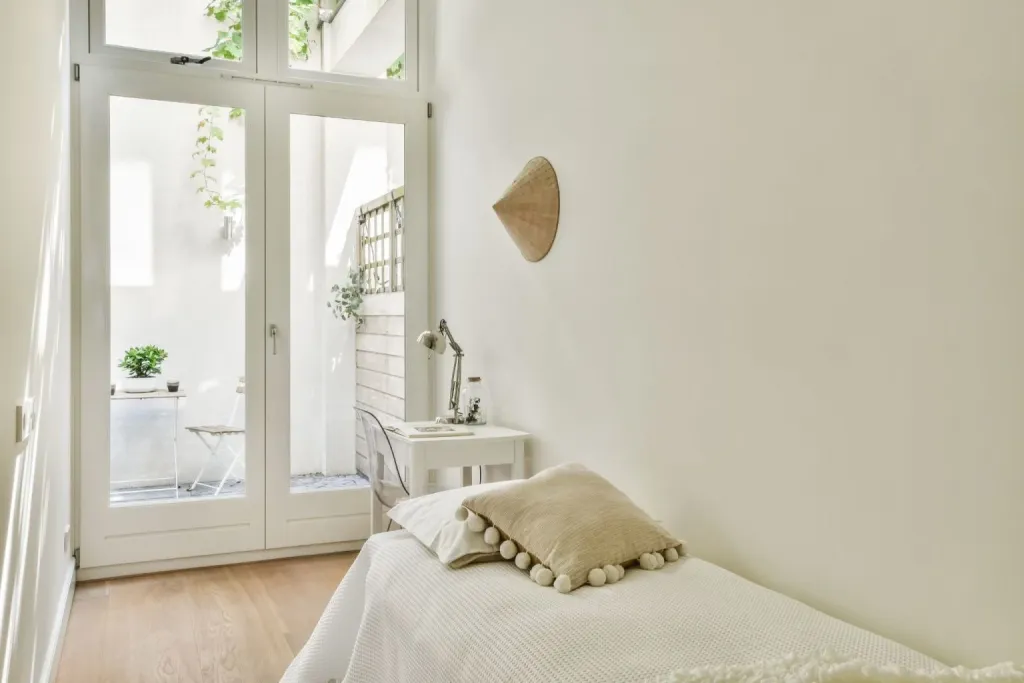
Light is one of the most important elements in minimalist design. Maximise daylight with larger windows where possible, sheer curtains, reflective finishes, and layouts that allow light to travel between spaces. This is especially effective in landed homes like bungalows, where larger openings can bring more natural light deep into the interior.
Rather than covering windows with heavy treatments, let natural light become part of the design itself.
BEST FOR:
- Living room: Sheer curtains and unobstructed windows.
- Bedroom: Soft window treatments that filter rather than block light.
- Hallway: Glass doors or internal glazing to borrow light from adjoining rooms.
How to Create Minimalism in Interior Design
Minimalist interior design isn’t about owning less for the sake of it. It’s about making deliberate design decisions so that every material, colour, piece of furniture, and source of light has a purpose. These are the key principles that bring a minimalist home to life.
1. Integrate Natural Materials
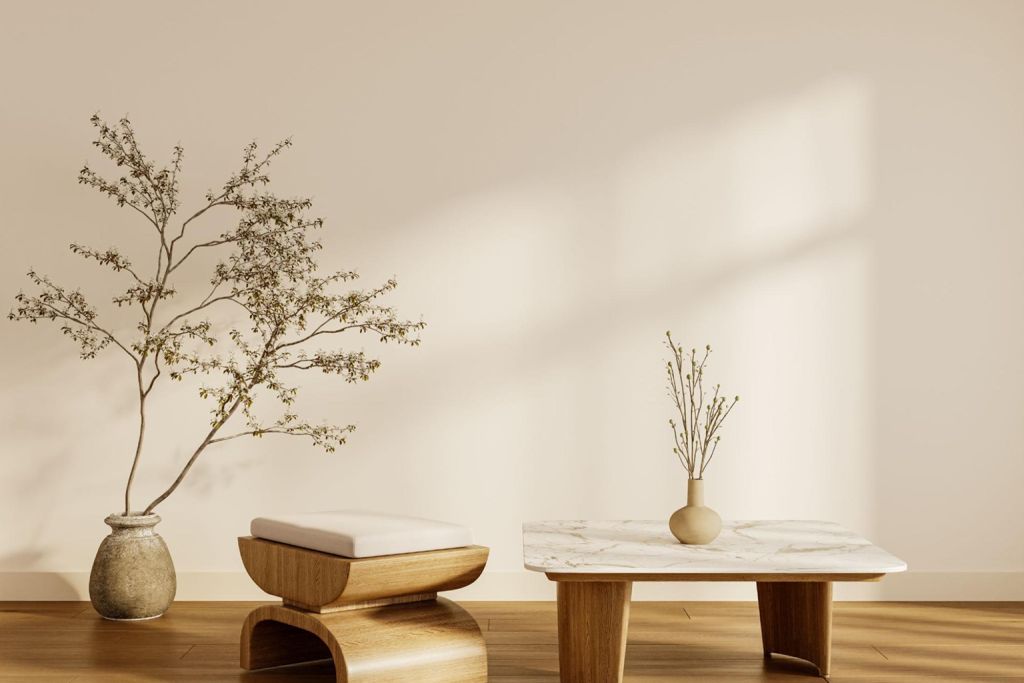
Minimalist interiors rely on materials that are simple, honest, and timeless. Rather than layering decorative finishes, let the material itself become the feature.
Natural materials such as timber, stone, linen, and rattan add warmth and texture without creating visual clutter. They also suit Malaysian homes well, complementing the tropical climate while giving interiors a calm, grounded feel. Contemporary materials like polished concrete and resin create clean, seamless surfaces, while marble can introduce a sense of understated luxury when used selectively on feature walls, kitchen islands, or vanity tops.
2. Prioritise Form, Focus, and Functionality
Every element in a minimalist home should earn its place. Furniture should have clean lines and simple forms, while built-in cabinetry helps maximise storage and keeps surfaces uncluttered.
Each room should also have a clear focal point, whether it’s a feature wall, statement light, or beautifully crafted piece of furniture. Everything else should support that feature rather than compete with it. At the same time, functionality should never be sacrificed. A minimalist home should feel effortless to live in, not just beautiful to look at.
3. Use Neutral Colours
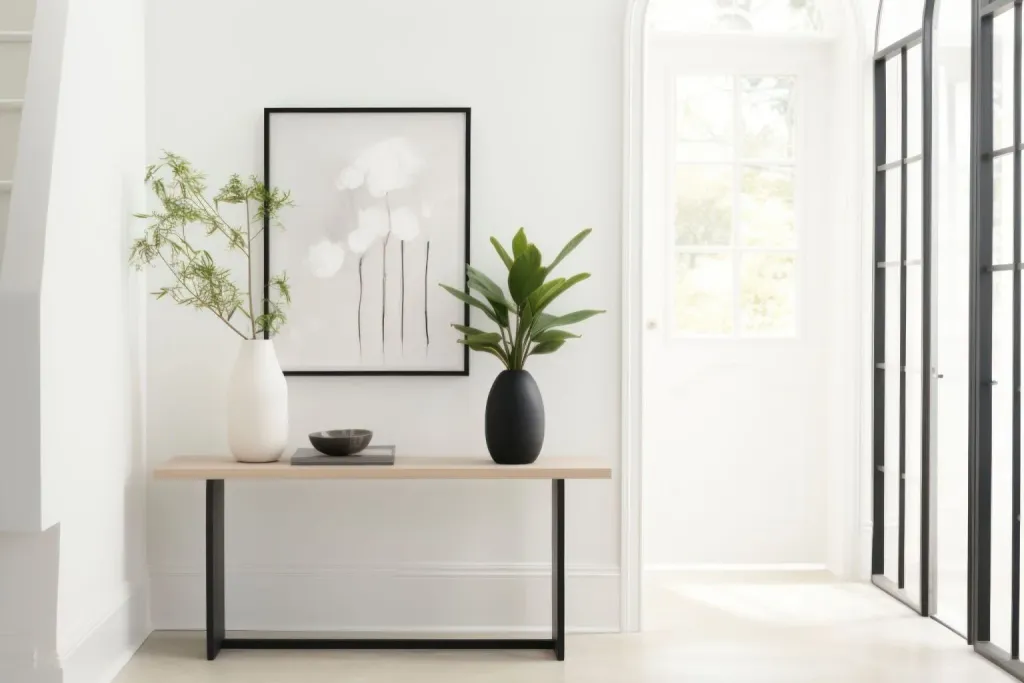
A neutral colour palette is the foundation of minimalist design, but neutral doesn’t mean plain. Whites, warm beiges, greys, and greige tones create a bright, open backdrop that allows natural light, textures, and architectural details to stand out.
Rather than introducing many colours, use contrast sparingly. A darker timber cabinet, muted textiles, or a single accent piece is often enough to create visual interest without overwhelming the space.
4. Make Light Part of the Design
Light is one of the defining features of minimalist interiors. In Malaysia, abundant natural daylight can make a home feel larger, brighter, and more connected to its surroundings. Large windows, open layouts, sheer curtains, and thoughtfully placed mirrors all help light travel through a space.
Artificial lighting should be equally intentional. Instead of relying on a single ceiling light, layer recessed lighting, task lighting, and warm ambient lighting to create depth throughout the day. In minimalist design, light isn’t simply functional. It becomes part of the architecture itself.
Conclusion
Minimalist interior design is ultimately about creating a home that supports the way you live. When every design decision is made with purpose, the result is a space that feels calm, functional, and timeless, no matter its size.
If you’re ready to create a home that embraces these principles, speak to us today. As an interior design company in Kuala Lumpur, we work closely with homeowners to create refined, functional spaces that reflect their lifestyle and personality. Whether you’re renovating a bungalow, condominium, or landed home, we’ll help transform your ideas into a home that’s thoughtfully designed and built to last.
Frequently Asked Questions
What are the biggest challenges in minimalist interior design?
Minimalist interior design is simple in principle, but maintaining it can be challenging. Fortunately, most obstacles have practical solutions.
| Challenge | Why It Happens | How to Solve It |
| Too much existing furniture | Years of accumulated belongings | Start with one room and only keep items that serve a purpose or bring value. |
| Multi-generational households | More people mean more belongings | Give each family member dedicated enclosed storage while keeping shared spaces uncluttered. |
| Seasonal decorations | Hari Raya, Chinese New Year, and Deepavali décor add visual clutter | Store seasonal items neatly and display only what you need. |
| Malaysia’s tropical climate | Heat and humidity can affect materials and encourage mould | Choose moisture-resistant finishes and ensure built-in storage is well ventilated. |
| Staying disciplined | Clutter becomes obvious very quickly | Develop simple habits, such as a daily reset or the one-in, one-out rule. |
| Family buy-in | Not everyone shares the same design preferences | Start with one room or a shared space before expanding the approach. |
The biggest misconception is treating minimalism as a one-time decluttering exercise. In reality, it’s an ongoing way of living built on consistent, intentional habits.
How should I create a minimalist interior design for a small house?
Small homes are often ideal for minimalist design because every square metre matters. Focus on these principles:
- Use vertical space: Floor-to-ceiling cabinetry, tall shelving, and wall-mounted storage free up valuable floor area.
- Choose light colours: Neutral walls and flooring reflect natural light, making rooms feel larger.
- Invest in built-ins: Custom cabinetry creates a cleaner look while eliminating wasted gaps.
- Select multipurpose furniture: Pieces that serve two functions reduce the need for additional furniture.
- Keep surfaces clear: Clear countertops, coffee tables, and shelving to minimise visual clutter.
- Use mirrors strategically: Mirrors reflect light and create the illusion of a larger space.
What are modern concepts for minimalist interior design?
Minimalism has evolved beyond stark white interiors into warmer, more liveable spaces. Popular approaches include:
- Japandi: Blends Japanese simplicity with Scandinavian warmth through natural materials, muted colours, and functional furniture.
- Warm Minimalism: Softens clean lines with timber, stone, linen, and warm neutral tones.
- Biophilic Minimalism: Incorporates greenery, natural light, and organic materials, making it especially suitable for Malaysia’s tropical climate.
- Brutalist Minimalism: Celebrates raw materials such as exposed concrete, steel, and stone with minimal decoration.
- Quiet Luxury: Prioritises craftsmanship, proportion, and premium materials over obvious displays of luxury.
Is minimalist interior design suitable for a small apartment or house?
Yes. In fact, minimalism often works best in smaller homes, where every design decision has a greater impact. By reducing visual clutter, improving circulation, and making furniture and storage work smarter, minimalist design can make compact spaces feel larger and more comfortable to live in. It also makes everyday maintenance easier, with fewer items to clean, organise, and manage.
Can minimalist interior design be low-cost?
Yes, but minimalism is about spending intentionally rather than simply spending less. The savings come from buying fewer, better pieces and investing where it matters most.
To keep costs down, prioritise neutral paint, locally made built-in carpentry, and locally sourced materials such as timber, rattan, and terrazzo. Decluttering is also one of the most effective upgrades, and it costs nothing. That said, avoid cutting corners on flooring, sofas, and lighting, as these have the greatest impact on both the look and longevity of your home.
How much does minimalist interior design cost in Malaysia?
The cost of a minimalist interior depends on your property type, renovation scope, materials, and level of customisation. Built-in cabinetry, custom joinery, premium finishes, concealed lighting, and professional design services are typically the biggest cost drivers.
For a more detailed breakdown of renovation budgets by property type and scope of work, read our Interior Design Cost in Malaysia 2026: A Complete Guide. Planning your budget early can help you make informed design decisions and avoid costly changes later in the project.
Can a minimalist home work for a family with kids?
Absolutely. Children don’t make minimalism impossible. Poor storage systems do. With enclosed storage for toys and books, durable materials, designated play areas, and generous hidden storage, a minimalist home can be both practical and family-friendly. Buying fewer, better-quality items also helps keep clutter under control while creating a space that’s easier to maintain for everyone.